How industry professionals are managing stress in 2025
In 2025, the modern workplace continues to evolve with advancements in technology, remote work options, and an emphasis on efficiency. However, alongside these developments, stress remains a prevalent challenge for industry professionals. Juggling demanding workloads, maintaining work-life balance, and adapting to rapidly changing environments can take a toll on mental health. Thankfully, professionals are embracing innovative and holistic strategies to combat stress effectively. Here’s a look at how they are managing stress in 2025.
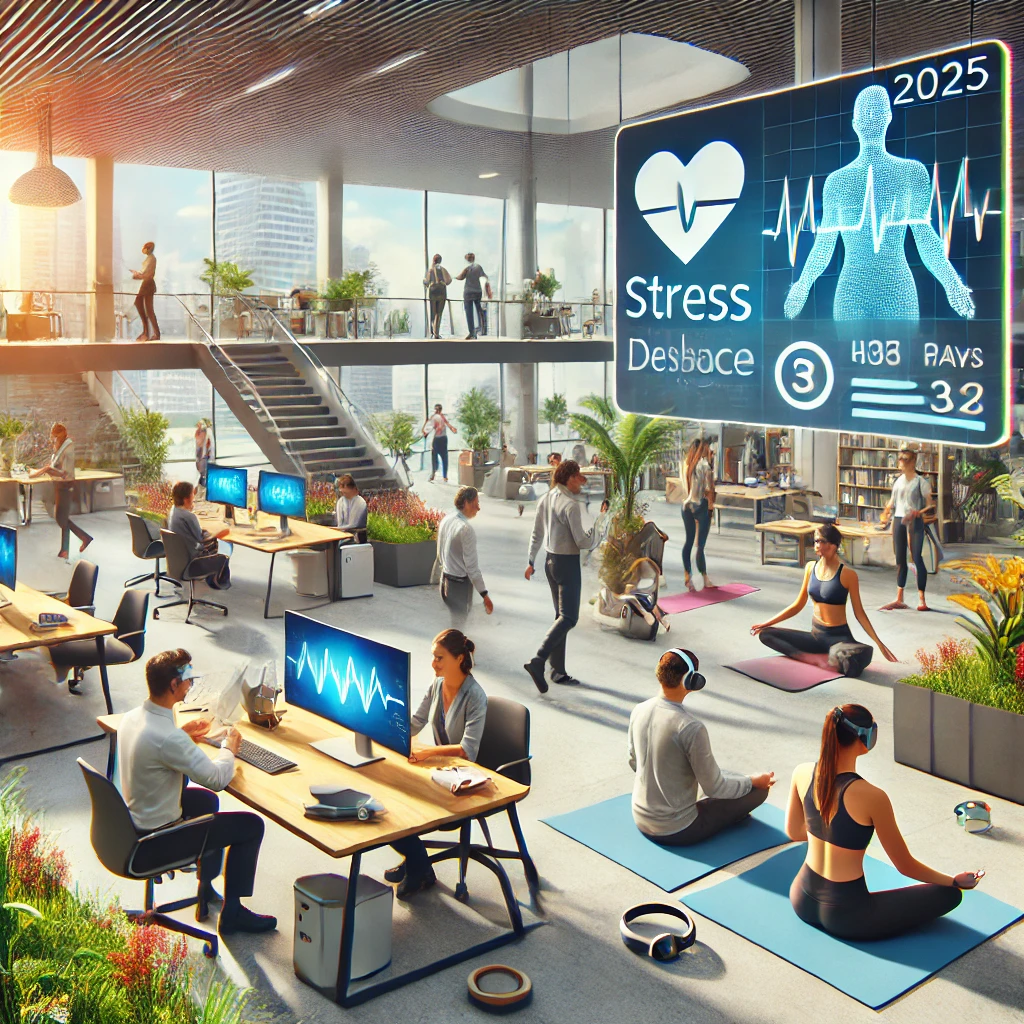
1. Embracing Technology for Mental Health
Technology, once considered a source of stress, is now part of the solution. Many professionals use AI-driven mental health apps that offer guided meditations, breathing exercises, and stress tracking. Apps like CalmAI and MindSpace analyze stress patterns and provide personalized solutions.
Wearable devices equipped with biometric sensors track heart rate variability, sleep quality, and activity levels, helping individuals understand and manage their stress triggers. Virtual reality (VR) has also become a popular tool for stress relief, offering immersive environments for relaxation and mindfulness practices.
2. Flexible Work Models
The hybrid work model has become the norm in 2025, giving professionals greater flexibility to manage their time and reduce stress. Organizations are adopting four-day workweeks and asynchronous work schedules to allow employees to prioritize tasks and spend more time on self-care.
Employers also support stress management by offering access to coworking spaces, ensuring that remote workers have access to a productive and inspiring environment outside their homes.
3. Prioritizing Physical Wellness
Recognizing the connection between physical health and mental well-being, industry professionals are prioritizing exercise as a key stress-management tool. Many workplaces provide on-site gyms, yoga classes, and outdoor activity areas. For remote workers, companies are subsidizing virtual fitness classes and ergonomic home office equipment.
In addition to exercise, nutrition has become a focus. Professionals are turning to personalized nutrition plans developed with the help of AI-driven diet trackers, ensuring their bodies are fueled for optimal performance and stress resilience.
4. Leveraging Workplace Wellness Programs
Wellness programs in 2025 are more robust than ever, addressing mental, emotional, and physical health. Companies are offering therapy sessions, mindfulness workshops, and access to mental health professionals as part of employee benefits.
Regular mental health check-ins and resilience training sessions are also integrated into organizational cultures, encouraging open conversations about stress and reducing stigma.
5. Engaging in Hobbies and Creative Outlets
Professionals are rediscovering the importance of hobbies as a stress-relief mechanism. Whether it’s painting, gardening, or playing a musical instrument, creative activities offer an escape from work-related pressures and help recharge the mind.
6. Building Strong Support Systems
Peer support networks have grown in significance. Many organizations now have mentorship programs and employee resource groups that create a sense of community and shared understanding. Outside of work, professionals prioritize spending time with family and friends to build emotional resilience.
Conclusion
Stress management in 2025 is a combination of technology, flexibility, and holistic wellness practices. By embracing these strategies, industry professionals are not just surviving but thriving in high-pressure environments. The key takeaway? Managing stress is no longer a reactive measure but a proactive lifestyle choice. With these tools and approaches, professionals are paving the way for a healthier, more balanced future.